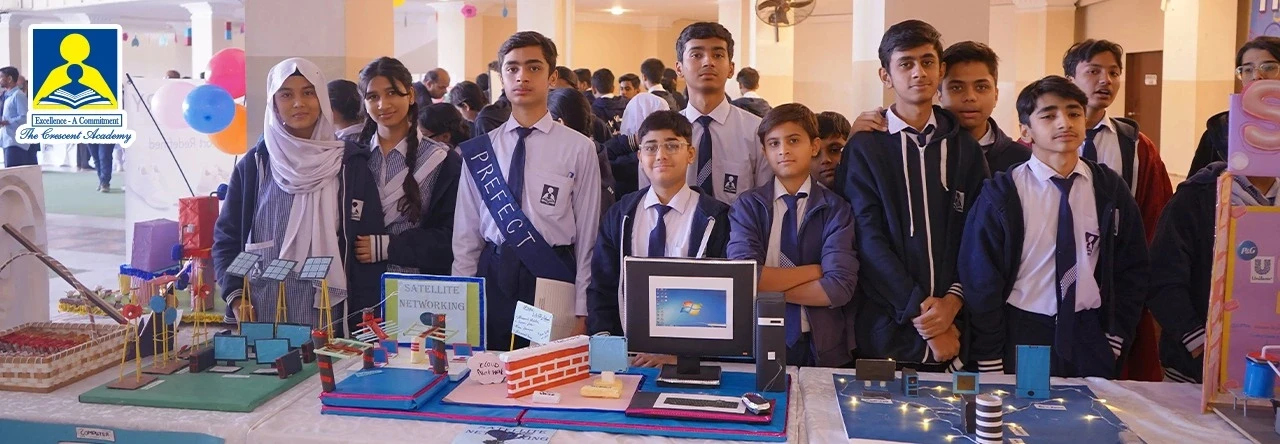
Academic success is often associated with classroom learning, homework, and examination results. However, education extends far beyond textbooks and lectures. Extracurricular activities play a crucial role in shaping a student’s overall development and significantly contribute to better academic performance. Parents looking for the best school in Gulshan-e-Iqbal often consider institutions that offer a balanced combination of academics and extracurricular opportunities because these activities help students develop essential life skills, improve concentration, and achieve greater success in their studies.
Understanding Extracurricular Activities
Extracurricular activities are organized programs and experiences that take place outside the regular academic curriculum. These activities may include sports, music, drama, debate clubs, student councils, science competitions, community service programs, art classes, and various cultural events.
While these activities may seem separate from academics, research consistently shows that students who participate in extracurricular programs often perform better in school than those who do not. The skills gained through these activities directly influence learning habits, discipline, and academic achievement.
Enhancing Time Management Skills
One of the most significant benefits of extracurricular participation is the development of effective time management skills. Students involved in sports teams, music lessons, or academic clubs must learn to balance their schedules between studies and activities.
Managing multiple responsibilities teaches students how to:
* Prioritize important tasks
* Meet deadlines consistently
* Create productive routines
* Reduce procrastination
* Use their time efficiently
These organizational skills naturally translate into improved academic performance. Students become more capable of handling assignments, preparing for exams, and maintaining consistent study habits.
Improving Focus and Concentration
Participation in extracurricular activities requires attention, commitment, and discipline. Whether practicing a musical instrument, preparing for a debate competition, or training for a sports event, students must stay focused on achieving specific goals.
This enhanced concentration often carries over into the classroom. Students who regularly engage in structured activities tend to:
* Pay closer attention during lessons
* Retain information more effectively
* Develop stronger problem-solving abilities
* Stay engaged in learning tasks
As a result, they often achieve higher grades and demonstrate better academic outcomes.
Building Self-Discipline and Responsibility
Success in extracurricular activities depends heavily on commitment and personal responsibility. Students learn that consistent effort leads to improvement and achievement.
For example:
* Athletes must attend regular practice sessions.
* Musicians need daily practice to improve their skills.
* Debate participants must research topics thoroughly.
* Student leaders must fulfill their responsibilities effectively.
These experiences teach accountability and self-discipline, qualities that are equally important for academic success. Students become more motivated to complete homework, prepare for tests, and meet educational goals.
Boosting Confidence and Self-Esteem
Confidence plays a major role in academic achievement. Students who believe in their abilities are more likely to participate in class discussions, ask questions, and tackle challenging assignments.
Extracurricular activities provide numerous opportunities for students to succeed outside traditional academic settings. Achievements such as winning competitions, performing on stage, scoring goals, or leading a project help students build confidence.
Increased self-esteem encourages students to:
* Take academic challenges positively
* Develop a growth mindset
* Participate actively in classroom activities
* Pursue higher educational aspirations
Confident students are generally more resilient and better equipped to handle academic pressures.
Strengthening Critical Thinking and Problem-Solving Skills
Many extracurricular activities encourage students to think creatively and solve complex problems. Activities such as robotics clubs, science fairs, chess competitions, and debate teams require analytical thinking and strategic decision-making.
Students learn how to:
* Evaluate different solutions
* Analyze situations critically
* Make informed decisions
* Adapt to changing circumstances
These cognitive skills directly support academic subjects such as mathematics, science, and language arts, helping students achieve stronger academic results.
Encouraging Teamwork and Collaboration
Modern education emphasizes collaboration and communication. Extracurricular activities provide excellent opportunities for students to work with peers toward common goals.
Through group projects, sports teams, and club activities, students learn:
* Effective communication
* Leadership skills
* Conflict resolution
* Cooperation and teamwork
These social skills improve classroom participation and make collaborative learning experiences more productive. Students who can work effectively with others often perform better in group assignments and project-based learning environments.
Reducing Academic Stress
Academic pressure can sometimes lead to stress, anxiety, and burnout. Extracurricular activities offer students a healthy outlet to release stress and maintain emotional well-being.
Physical activities such as sports and exercise help improve mental health by reducing stress hormones and increasing positive emotions. Creative activities like music, art, and drama provide opportunities for self-expression and relaxation.
Students who maintain a healthy balance between academics and extracurricular engagement often experience the following:
* Better emotional health
* Reduced anxiety levels
* Improved motivation
* Greater academic persistence
A positive mental state contributes significantly to better learning outcomes and classroom performance.
Enhancing Leadership Abilities
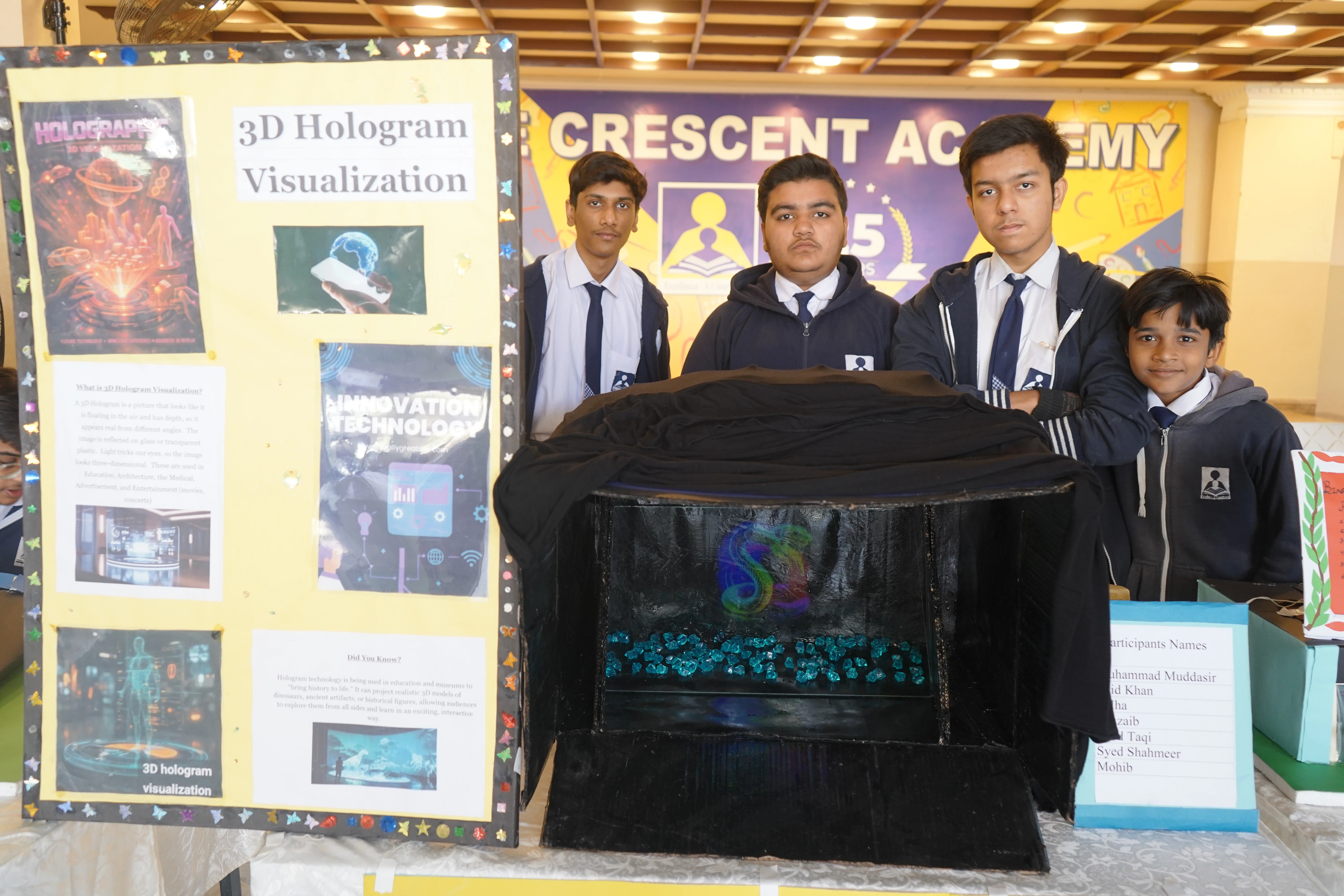
Leadership opportunities are common in extracurricular programs. Students may serve as team captains, club presidents, event organizers, or student council representatives.
Leadership experiences teach valuable skills such as the following:
* Decision-making
* Responsibility
* Public speaking
* Project management
* Goal setting
These abilities help students become more confident and proactive learners. Leadership development also prepares students for future educational and career opportunities.
Increasing School Engagement and Attendance
Students who participate in extracurricular activities often develop a stronger connection to their school community. They feel more engaged, valued, and motivated to attend school regularly.
Higher levels of school engagement are associated with:
* Better attendance records
* Improved academic performance
* Greater classroom participation
* Lower dropout rates
When students enjoy their educational environment, they are more likely to invest effort in their studies and pursue academic excellence.
Developing Communication Skills
Strong communication skills are essential for academic and professional success. Activities such as debate clubs, theater productions, student journalism, and public speaking competitions help students improve their ability to express ideas clearly.
Effective communication supports academic performance by enabling students to:
* Participate confidently in discussions
* Present projects effectively
* Write more clearly
* Collaborate with peers and teachers
These skills become increasingly important as students progress through higher levels of education.
Preparing Students for Future Success
Universities and employers increasingly value well-rounded individuals who possess more than just strong academic records. Participation in extracurricular activities demonstrates commitment, leadership, teamwork, and personal growth.
Students involved in diverse activities often develop the following:
* Career readiness skills
* Adaptability
* Professional communication abilities
* Leadership experience
* Social intelligence
These qualities contribute not only to academic achievement but also to long-term personal and professional success.
The Role of Schools in Supporting Extracurricular Activities
Educational institutions play a vital role in creating opportunities for students to participate in extracurricular programs. Schools that offer a variety of activities allow students to discover their interests, talents, and strengths.
An effective school environment should provide the following:
* Sports programs
* Arts and music opportunities
* Science and technology clubs
* Community service initiatives
* Leadership development programs
* Cultural and literary activities
A balanced educational approach helps students achieve academic excellence while developing essential life skills.
Conclusion
Extracurricular activities are far more than optional additions to a student's education. They serve as powerful tools for enhancing academic performance, building character, and fostering personal growth. Through participation in sports, arts, leadership programs, and academic clubs, students develop time management, self-discipline, communication, teamwork, and problem-solving skills that directly support their educational success.
Schools that encourage active participation in extracurricular activities create an environment where students can thrive academically, socially, and emotionally. By providing opportunities beyond the classroom, educators help students become confident, capable, and well-rounded individuals prepared for future challenges and achievements.
Leave a comment